
Subscription Model Mayhem

Subscription Model Mayhem

Written by Kevin Flors

This piece is OPINION based and speculative

I think its quite easy to say that subscription models are invading the way we consume media today. And with the upcoming release of many more subscription services in the coming months — Disney+, Google Stadia, NBC Peacock, and most recently Mario Kart Tour (a SINGLE mobile game played on phones) — it is safe to say that most consumers are starting to feel overwhelmed by monthly payments, not to mention monthly bills for utilities and services. What is the effect these subscription models have now and how will it affect media in the future?


The first word that comes to mind with subscription services: “exclusivity.” The power in offering a piece of media everyone talks about only available on your platform is bound to provide great profits. And especially with all the talent and money that goes into creating these “must-see” shows or movies, traditional cable is struggling to compete. Network channels seldom strike gold with limited budget and talent moving to these platforms offering more money and outlets for success. At the same time, however, it is almost impossible nowadays to watch all of these “must-watch” shows in no small part to the many distinct services providing them. Sure, you can jump free trial to free trial just to try and see the shows, but then another show will come up and you’ll be shit out of luck or money.


The most telling sign of things to come from subscription service has to be the Peacock, NBC’s own subscription service that is being advertised as “the only place to watch ‘The Office.'” This concerns me because if this subscription service is used mainly to watch one show, then what’s stopping other timeless, extensive shows or media from doing the same, especially if this is successful? And yes, I know the service has other shows and movies on it, but the point still stands in that we might be fast approaching a media world that is blocked by subscription walls and monthly payments.


Another telling sign of this, one may be more egregious then most, is the new app Mario Kart Tour, a mobile game that offers a monthly subscription for special features, in-game items, and challenges. All of this might seem harmless, but it’s important to realize that this is for ONE of the thousands of games on the app store (which now also houses its own subscription service). Mobile games have been doing this for years, but the subscriptions themselves have evolved from simply providing ad-free experiences to this, a subscription that blocks features and items in the app that impacts the experience and playability of the app. It is with bated breath I wait for the results of this and how it may transfer to other media forms.


Is it too out of left field to see legacy shows like “The Simpsons” or “The Office” hold their own in-house subscription services to watch their shows? The demand surely points to this being an expensive possibility. The thing that brought subscription services in media to the forefront is the curation of content seldom seen from traditional cable service. If this content requires furthered curation, for what would be a lower price individually, then it’s not a leap to say that shows with extensive enough catalogs wouldn’t look into a small monthly fee for their media. And yes, Disney is congregating its content into one platform, but Disney’s content came from a broader distributor of media (cable), so who’s to say major franchises like Marvel and Star Wars won’t birth new subscriptions from Disney’s service?
 

The Copycat Nature of the Mobile Gaming Industry (Follow up)

The Copycat Nature of the Mobile Gaming Industry (Follow up)

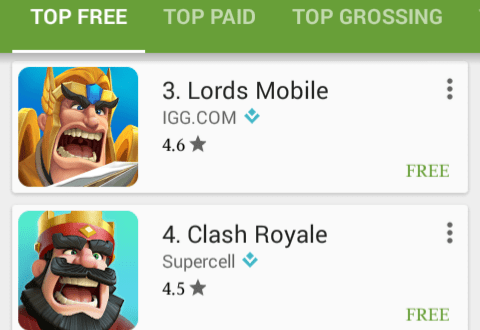
I know I said I wasn’t going to talk about mobile gaming again, but it is such an interesting topic for me, so hopefully this interest transfers to the reader. The amount of people who play mobile games is astronomically larger then the community of conventional gamers, so its also nice to hit more bases of the population. Yet, with this astronomical population comes games which mostly contain microscopic differences.

The photo above is proof of this, and was my inspiration to create this article on such short notice. The fact is, many games on mobile stores are imitations of previous successes. King is a great example of this, with their many match 3 games, which all play the same with little change. The many rip-offs of Clash of Clans, Crossy Road, and, most notoriously, the Flappy Bird clones. Now, this may seem like a surprise to some, but, from a business standpoint, it makes perfect sense to recreate apps that have reached major success, instead of creating new, original ideas that may not be, for lack of a better term, approved by the public. What’s more surprising, to me, is the success these games have. Here’s a few examples of these successes:

Supercell (CoC- 100 million downloads) “Inspired”

Clash of Lords 2– 10 million downloads

Lords Mobile– 1 million downloads

Castle Clash: Age of Legends– 50 million downloads

Clash of Spartan– 1 million downloads

Crossy Road (50 million downloads) “Inspired”

Crossy Heroes- 1 million downloads

Crossy Creeper: Smashy Skins– 1 million downloads

Angry Birds (100 million downloads) “Inspired”

Knock Down- 10 million downloads

Angry Frogs- 1 million downloads

Angry Hero- 100 thousand downloads

Additional Cloned Games

Don’t tap the white tiles (highest clone-5 mil)

Subway Surfers (highest clone- 10 mil)

Pou (highest clone- 10 mil)

Fruit Ninja (highest clone- 10 mil)

Hill Climb Racing (highest clone- 10 mil)

I hope you get the point that these clone games are really successful. And I want to state that I do NOT want to be judgmental of these companies, however I can’t stop being critical towards the public for inspiring this behavior from developers. Great, original mobile games never become as popular as these clones for reasons partially unclear to me. I think it has to do with the overall repetitiveness of some greater games, like Angry Birds, and a desire to relive the original experience with a fresh appearance, which is appeased by a game like Angry Frogs. Speaking of Angry Birds, they are, hands down, the greatest at avoiding this problem, with their many recreations of the Angry Birds game.

This practice of taking inspiration from other successful games will still work so long as people still download these clone games. Even Supercell is guilty of this with Hay Day, a Farmville clone. And Farmville, a clone of Happy Farm. Again, I do not want to sound condescending towards the developers, for this is one of the only ways to become successful in the industry. This or paying lots of money for advertisements. Hopefully, this pattern changes in the future, but these changes will be a challenge to implement, especially with the market growing as big as it has.

Thanks for reading. Heres the song. Also, I want to shoutout this mobile game titled The Greedy Cave. Really original for mobile platforms and I don’t believe it is a clone of any mobile game. Check it out, its a lot of fun. And I promise,  no more mobile stuff for a while.

Heres a small gallery of copied games for some good laughs:

This slideshow requires JavaScript.